
Letter Sounds Made Easy: How to Teach Your Child in Minutes a Day
You’ve probably tried flashcards, YouTube songs, or tracing letters… only to wonder, “Why can’t my child remember the letter sounds?”
You’re not alone — most parents hit this exact stage. Letter sounds can feel tricky to teach, especially when your child would rather play than sit still.
The good news? You don’t need fancy lessons or endless worksheets. You just need the right approach — and a few minutes a day.
If you want a step by step guide to teaching your child to read, you can find it here for FREE:
1. Keep It Short and Playful
-
Say a sound and have your child find an object that starts with it.
-
Do a “Sound Toss” — toss a beanbag to a letter card while saying the sound aloud.
-
Use silly voices, songs, or motions for each sound — make /m/ sound like you’re eating a yummy snack, “Mmmm!”
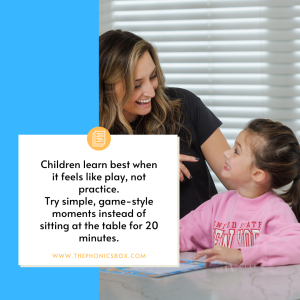
The goal isn’t perfection — it’s connection. Every giggle means the sound is sticking.
2. Focus on Sounds Before Names
It’s tempting to teach “A says /a/,” but many kids get confused by trying to memorize both names and sounds at once.
Start by saying:
“This is the sound /s/. It starts the word sun!”
Once the sound is solid, then introduce the letter name.
This keeps things simple and avoids overload.
3. Repetition That Feels New
Kids thrive on repetition, but boredom is the enemy. Keep practicing old sounds in new ways.
-
Play a “mystery sound” game: you say the sound, and your child races to find the right letter card.
-
Mix letters into a scavenger hunt.
-
Use dry-erase boards to trace while saying the sound aloud.
4. Make It Hands-On
When your child can touch and see the learning, it clicks faster.
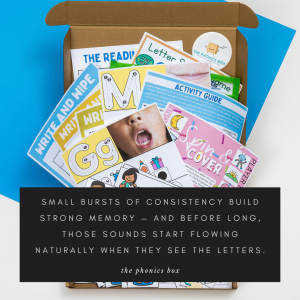
That’s why tactile games, matching cards, and sound mats work better than worksheets — they connect sound, sight, and movement all at once.
If you’re tired of piecing together random activities, this is where The Phonics Box comes in.
It’s a ready-to-go box filled with hands-on letter-sound games created by a teacher-mom who knows how kids learn best.
5. Remember: Little Steps Add Up
Even five minutes a day builds massive confidence.
It’s not about perfection — it’s about progress. The more playful you make it, the more your child will want to learn.
Closing & Call to Action
Teaching letter sounds doesn’t have to be hard.
With fun, bite-sized activities and consistent play, your child can master their sounds and feel proud of themselves — and you can actually enjoy the process too.
That’s why I created The Phonics Box — to make learning easy, fun, and stress-free for parents just like you.
✨ Ready to see what’s inside? [Click here to shop The Letter Sounds Box →]